Winter Salt Residue Cleanup for Sidewalks and Driveways in Land O' Lakes
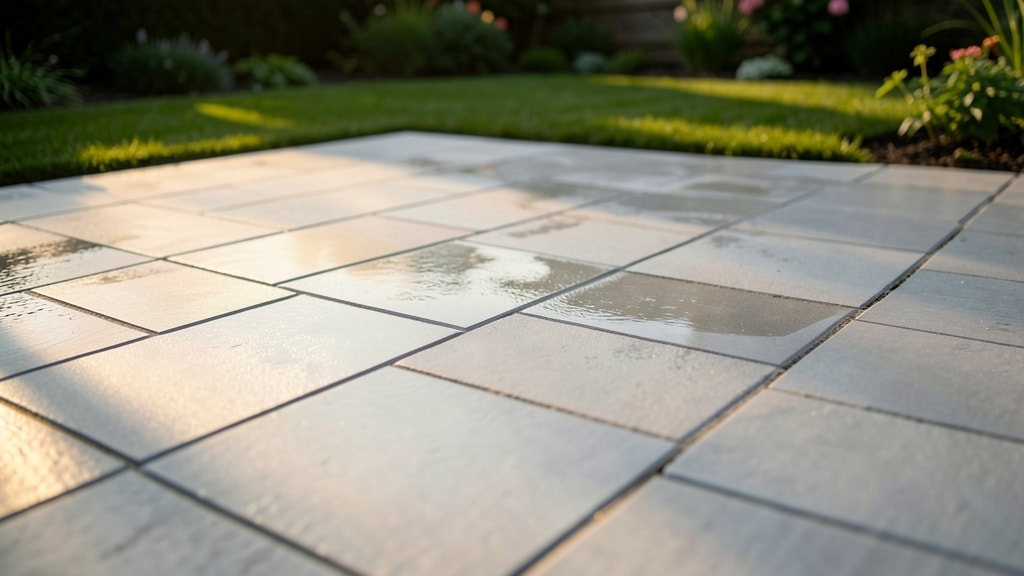
Winter road salt leaves stubborn white stains and corrosive residue on concrete across Land O’ Lakes. We’ll show you how to remove it safely without damaging surfaces or nearby landscaping. Pressure washing with the right technique restores curb appeal and prevents long-term harm.
Why Salt Residue Is a Problem for Concrete in Central Florida
Even in mild Land O’ Lakes winters, de-icing salts like sodium chloride and magnesium chloride accumulate on driveways and sidewalks. These compounds draw moisture into concrete, accelerating freeze-thaw damage in colder snaps.
Over time, salt residue etches concrete, causing pitting and weakening the surface. It also promotes efflorescence—those chalky white deposits—that make surfaces look neglected.
Signs Your Concrete Needs Salt Residue Removal
Visible white or grayish stains are the most obvious red flag. These often appear along edges where salt spray from roads settles.
Rough texture or discoloration means the salt has begun to break down the concrete’s top layer. Left untreated, this leads to costly repairs.
Spot the Damage Early
- White or grayish stains on concrete
- Rough or pitted surface texture
- Discoloration along driveway edges
- Crumbling or flaking in high-traffic areas
Pressure Washing vs. Soft Wash: Which Is Right for Salt Stains?
For most salt residue on concrete, pressure washing at 2,500–3,500 PSI with a surface cleaner attachment is ideal. It blasts away deposits without harming the substrate.
Soft wash systems, using low-pressure and specialized detergents, are better for delicate surfaces like pavers or stained concrete where high pressure could cause damage.
| Method | PSI Range | Best For | Detergent Use |
|---|---|---|---|
| Pressure Washing | 2,500–3,500 PSI | Standard concrete driveways/sidewalks | pH-neutral or mild degreaser |
| Soft Wash | 500–1,500 PSI | Pavers, stained concrete, delicate surfaces | Specialized salt-neutralizing cleaner |
| Hot Water Pressure Washing | 3,000+ PSI | Heavy buildup, commercial areas | Hot water + detergent |
Pre-Treatment: The Key to Effective Salt Removal
Always pre-treat with a salt-neutralizing cleaner or a mix of water and white vinegar (1:1 ratio) for DIY jobs. This breaks down the crystalline structure before pressure washing.
For tough stains, a pH-neutral degreaser helps lift embedded residue. Avoid harsh acids like muriatic acid—they can etch concrete further if misapplied.
Apply pre-treatment with a pump sprayer and let it dwell for 10–15 minutes. Agitate with a stiff brush for stubborn areas before rinsing.
Step-by-Step Pressure Washing for Salt Stains
Start by clearing the area of debris, vehicles, and outdoor furniture. Cover nearby plants with tarps to protect them from overspray and detergents.
Use a surface cleaner attachment for even coverage and to prevent streaking. Work in sections, overlapping passes to avoid missed spots.
Post-Washing Care to Prevent Future Buildup
After cleaning, apply a concrete sealant to create a barrier against future salt intrusion. This is especially useful in Land O’ Lakes neighborhoods near major roads like SR 54 or US 41.
Reapply sealant every 2–3 years, or more often in high-traffic areas. Regular sweeping and prompt removal of salt deposits during winter months also helps.
Homes in Lutz and Wesley Chapel often see heavier salt spray due to proximity to highways. More frequent cleaning may be needed in these areas.
When to Call a Professional Pressure Washing Team
If your concrete shows deep pitting, widespread discoloration, or if DIY efforts leave stains behind, it’s time for professional help. We use commercial-grade equipment and eco-friendly cleaners tailored to Florida’s climate.
Professionals also handle adjacent services like gutter cleaning or roof soft washing, which can be affected by the same salt spray. This ensures a comprehensive clean for your property.
Avoid These Common Mistakes
Never use a narrow 0-degree nozzle—it can etch or crack concrete. Stick to a 25- or 40-degree nozzle for safe, even cleaning.
Avoid pressure washing in direct sunlight. The heat can cause detergents to dry too quickly, leaving streaks or residue behind.
Always wear protective eyewear and closed-toe shoes. High-pressure water can cause serious injury, and detergents may irritate skin.
How to Remove Salt Residue from Concrete with Pressure Washing
Follow these steps to safely and effectively clean salt stains from your driveway or sidewalk.
- 1Clear and Prep the Area
Remove all obstacles and cover plants. Sweep away loose debris and salt crystals.
- 2Apply Pre-Treatment Solution
Spray a salt-neutralizing cleaner or vinegar-water mix. Let it dwell for 10–15 minutes, then agitate with a brush if needed.
- 3Set Up Your Pressure Washer
Use a 25- or 40-degree nozzle and a surface cleaner attachment. Set PSI to 2,500–3,500 for standard concrete.
- 4Pressure Wash in Sections
Work in small, overlapping sections. Keep the wand 12–18 inches from the surface to avoid damage.
- 5Rinse and Inspect
Rinse thoroughly with clean water. Check for missed spots or lingering stains and repeat if necessary.
- 6Allow to Dry and Seal
Let the concrete dry completely (24–48 hours), then apply a sealant to protect against future salt buildup.
Frequently Asked Questions
Can I use a pressure washer on my paver driveway in Land O’ Lakes?
Yes, but use a lower PSI (1,500–2,000) and a wider nozzle to avoid displacing sand between pavers. Soft washing is often the safer choice for pavers.
How often should I clean salt residue from my concrete?
In Land O’ Lakes, a thorough cleaning once or twice a year is usually sufficient. However, if you’re near heavily salted roads, you may need to clean more frequently.
Will pressure washing remove rust stains caused by salt?
Pressure washing can lighten rust stains, but stubborn ones may require a specialized rust remover. We often combine pressure washing with targeted treatments for best results.
Is it safe to pressure wash concrete in cold weather?
Avoid pressure washing if temperatures are near or below freezing. Water can freeze on the surface, creating hazards and reducing cleaning effectiveness.
Do I need to worry about salt residue in Odessa or Trinity?
Yes. While these areas may use less de-icing salt, residue can still accumulate from road spray or nearby treated surfaces. Regular cleaning helps maintain your concrete.
What’s a good way to protect my concrete after cleaning?
Applying a penetrating concrete sealant is the most effective way to guard against future salt damage. It also enhances the appearance and extends the life of your driveway or sidewalk.