How to Prepare Your Home for Pressure Washing in Land O' Lakes
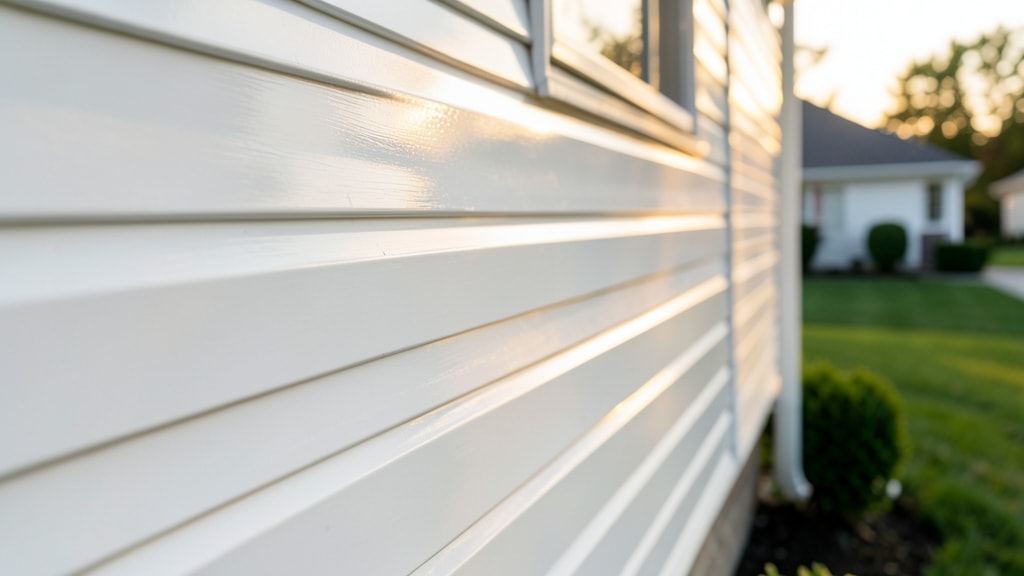
Pressure washing restores your home’s curb appeal, but proper prep is what separates a flawless clean from costly mistakes. We’ve seen firsthand how skipping these steps leads to damaged siding, stripped paint, or even injured landscaping in Land O' Lakes. Here’s how to do it right—every time.
Why Prep Matters for Pressure Washing
Pressure washers deliver 1,500–4,000 PSI—enough to etch concrete or gouge wood if you’re not careful. Prep ensures surfaces can handle the force and that contaminants like mildew or grease don’t just get spread around.
In our humid Florida climate, algae and mold cling tighter to surfaces. Pre-treatment breaks their grip so the wash actually removes them, not just blasts them into the air.
Clear the Work Area Completely
Move patio furniture, grills, potted plants, and vehicles out of the way. Even a small obstacle can deflect the spray and damage nearby surfaces or create uneven cleaning.
In neighborhoods like Odessa or Lutz, where driveways often double as play areas, we see toys and bikes left out—these can become projectiles under high pressure.
Outdoor Items to Remove or Cover
- Outdoor furniture and cushions
- Potted plants and garden decor
- Vehicles, bikes, and toys
- Grills, fire pits, and propane tanks
- Electrical outlets and lighting fixtures (cover with plastic)
Protect Landscaping and Sensitive Areas
Pressure washing can strip mulch, damage plants, or erode soil. Wet down shrubs and flower beds before starting, and use tarps or plastic sheeting for extra protection.
In Land O' Lakes, many homes have mature oak or palm trees near the house. Their roots and bark are vulnerable to high-pressure spray and chemical pre-treatments.
Never point the wand upward into trees or shrubs. Overspray can burn foliage, especially with bleach-based solutions. Always rinse plants thoroughly after cleaning.
Inspect and Repair Surfaces First
Check for loose siding, cracked stucco, or rotting wood. Pressure washing can turn minor issues into major repairs if water forces its way into gaps.
For decks and fences, look for splintered boards or protruding nails. These can be hazards during cleaning and may need attention before we start.
| Surface | Issue | Pre-Wash Action |
|---|---|---|
| Vinyl Siding | Cracks or loose panels | Secure or replace; avoid direct high-pressure spray |
| Wood Deck | Splinters or exposed nails | Sand and refinish; hammer down nails |
| Concrete Driveway | Deep cracks or spalling | Fill cracks with sealant; avoid excessive PSI |
| Stucco | Hairline cracks or peeling | Patch and prime; use low-pressure nozzle |
| Roof Shingles | Missing or curled shingles | Replace damaged shingles; use soft wash only |
Choose the Right Pre-Treatment for the Job
Not all stains respond to water alone. Grease on driveways needs a degreaser, while algae on roofs or fences requires a soft wash solution.
In Wesley Chapel and Trinity, we often deal with red clay stains on concrete. A pre-treatment with oxalic acid helps lift these before the main wash.
For mildew on siding or decks, a 1:10 bleach-to-water solution (with a drop of dish soap) can work. Apply with a sprayer, let dwell for 10–15 minutes, then rinse. Always test on a small area first.
Seal Gaps and Protect Openings
Cover electrical outlets, light fixtures, and vents with plastic and tape. Water intrusion can cause shorts or long-term damage, especially in older homes.
Check that windows and doors are fully closed and sealed. Even a small gap can let water inside, leading to interior damage or mold growth.
Understand the Limits of DIY Pressure Washing
Renting a pressure washer might seem cost-effective, but without the right nozzles, PSI settings, and technique, you risk damaging your property. Soft wash systems for roofs, for example, require specialized equipment.
For multi-story homes or commercial properties in Zephyrhills, safety becomes a major concern. Ladders and high-pressure hoses don’t mix well without proper training.
If your home has delicate surfaces like old brick, cedar shake siding, or a steep roof, it’s best to leave it to professionals. We use adjustable PSI and GPM settings tailored to each material.
Post-Wash Steps to Extend the Clean
Once the wash is done, inspect the area for any missed spots or damage. Touch up as needed before the surface dries completely.
Consider applying a sealant to decks, driveways, or fences to protect them from future stains. In Florida’s climate, this can extend the life of your clean by months.
How to Pre-Treat Surfaces Before Pressure Washing
Pre-treatment loosens dirt and kills mold so the pressure washer can do its job efficiently.
- 1Select the Right Cleaner
Use a degreaser for oil stains on driveways, a bleach solution for mildew on siding, or oxalic acid for rust and clay stains.
- 2Apply Evenly
Use a pump sprayer for large areas or a trigger sprayer for smaller spots. Cover the surface thoroughly but avoid runoff onto plants.
- 3Let It Dwell
Allow the cleaner to sit for 10–15 minutes. For tough stains, a longer dwell time (up to 30 minutes) may be needed, but don’t let it dry.
- 4Agitate if Necessary
For stubborn grime on concrete or decks, use a stiff brush to scrub the surface before rinsing.
- 5Rinse Thoroughly
Use a garden hose to rinse off the pre-treatment. This prevents residue from interfering with the pressure wash.
Frequently Asked Questions
Can I pressure wash my home in Land O' Lakes during the rainy season?
It’s best to avoid pressure washing right before or after heavy rain. Wet surfaces won’t clean as effectively, and runoff can carry contaminants into storm drains. Aim for a stretch of dry weather, which we often see in late fall or early spring.
Do I need to cover my AC unit before pressure washing?
Yes. The fins and coils in an AC unit are delicate and can be bent or clogged by debris kicked up during washing. Use a tarp or plastic sheeting to shield it completely.
What’s the difference between pressure washing and soft washing?
Pressure washing uses high PSI to blast away dirt, which is great for concrete or brick. Soft washing uses lower pressure with specialized cleaners to safely remove algae, mold, and mildew from delicate surfaces like roofs or vinyl siding.
How often should I pressure wash my driveway in Land O' Lakes?
For most homes, once a year is sufficient. However, if your driveway sees heavy use or is prone to oil stains (common in neighborhoods with boat or RV storage), you might need it every 6 months.
Will pressure washing damage my painted surfaces?
It can if the paint is old, peeling, or low-quality. High pressure can strip paint right off. For painted surfaces, we often use a lower PSI and a wider nozzle to avoid damage.
Is it safe to pressure wash my roof?
Not with a standard pressure washer. Roofs require soft washing to avoid damaging shingles. Walking on a wet roof is also a safety hazard—this is a job best left to professionals.