The Best Pressure Washing Techniques for Different Surfaces in Land O' Lakes
Not all surfaces can handle the same pressure or cleaning agents. In our Florida climate, where humidity fuels mold and pollen coats everything, the right technique makes the difference between a spotless finish and costly damage. We’ll break down the proven methods we use for every material, from concrete driveways in Wesley Chapel to cedar decks in Lutz.
Why Surface-Specific Techniques Matter
Pressure washing isn’t one-size-fits-all. A 4,000 PSI blast that removes oil stains from concrete can shred vinyl siding or etch soft wood. We adjust PSI, GPM, nozzle angle, and detergent to the material’s tolerance.
Florida’s year-round warmth accelerates grime buildup, but it also means we can schedule cleanings in any season. Still, each surface demands a tailored approach to avoid stripping finishes or driving water behind facades.
Concrete and Driveway Cleaning: High PSI with Surface Cleaners
Driveways and sidewalks in Land O’ Lakes take a beating from tire marks, oil leaks, and efflorescence. We use 3,000–4,000 PSI with a 15-degree nozzle and a surface cleaner attachment for even coverage.
Hot water pressure washing cuts through grease faster than cold, but we often start with cold to avoid thermal shock. A degreaser pre-treatment lifts stubborn stains before the final rinse.
| Stain Type | Best Cleaner | PSI Range |
|---|---|---|
| Oil/Grease | Alkaline degreaser | 3,500–4,000 PSI |
| Mold/Mildew | Bleach-based or eco-friendly sanitizer | 2,500–3,000 PSI |
| Efflorescence | Acidic cleaner (diluted) | 2,000–2,500 PSI |
| Rust | Oxalic acid solution | 2,500–3,000 PSI |
Vinyl and Aluminum Siding: Low Pressure, High Detergent
Vinyl siding warps under high pressure. We use 1,200–1,500 PSI with a 40-degree nozzle, keeping the wand 12–18 inches away. The real work comes from a soft wash detergent applied via downstream injection.
Aluminum siding can handle slightly more pressure (up to 1,800 PSI) but requires a neutral pH cleaner to prevent oxidation. We always rinse from the top down to avoid streaking.
Never pressure wash siding with a 0-degree or 15-degree nozzle—it can punch holes in vinyl or dent aluminum. Always test a small area first.
Roof Washing: Soft Wash Only
Asphalt shingles, clay tiles, and metal roofs in Odessa and Trinity homes require a no-pressure approach. We use a soft wash system with a bleach-based or eco-friendly solution to kill algae, lichen, and moss without dislodging granules.
A garden-pump sprayer or low-pressure (under 500 PSI) application ensures the solution dwells long enough to break down organic growth. High pressure can damage the roof and reduce its lifespan.
Wood Decks and Fences: Gentle PSI with Specialized Cleaners
Cedar, pine, and composite decks in Lutz and Wesley Chapel need 500–1,200 PSI max with a 25-degree nozzle. We use a wood-safe cleaner to lift dirt without raising the grain or splintering the surface.
For grayed or weathered wood, a brightener restores color after cleaning. We always let the deck dry 24–48 hours before sealing. Fences follow the same rules, but we pay extra attention to joints and hardware.
Pre-Deck Washing Checklist
- Remove furniture, grills, and planters
- Sweep away loose debris and cobwebs
- Cover nearby plants with plastic sheeting
- Pre-wet surrounding vegetation
- Test cleaner on a hidden area
Brick and Stucco: Medium Pressure with Caution
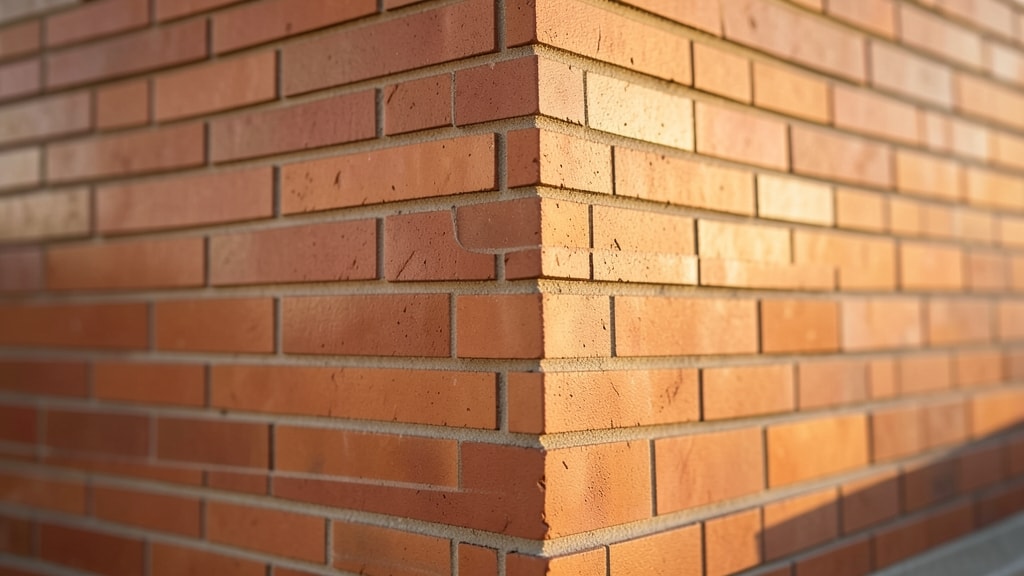
Brick can handle 1,500–2,500 PSI, but older or sand-finished brick may need less. We use a 25-degree nozzle and a mild detergent to avoid eroding mortar joints. Stucco is softer—1,200–1,500 PSI max with a wide-angle nozzle.
Efflorescence on brick is common in Florida’s humid summers. A post-wash application of a water-repellent sealer can slow its return.
Always keep the nozzle moving on stucco to prevent etching. A soft-bristle brush can agitate stubborn spots without damaging the finish.
Commercial and Graffiti Removal: Hot Water and High GPM
Storefronts, parking lots, and warehouses in Zephyrhills often need hot water pressure washing (200–250°F) to cut through grease, gum, and graffiti. We pair this with high GPM (4–8) for faster, deeper cleaning.
For graffiti, we use a specialized remover matched to the surface—masonry, metal, or painted walls. Multiple passes at varying angles ensure complete removal without ghosting.
Gutters and Downspouts: Low Pressure, High Precision
Clogged gutters lead to water damage, especially during Land O’ Lakes’ heavy summer rains. We use a gutter-cleaning wand with a 40-degree nozzle at 1,000–1,500 PSI to clear debris without bending the troughs.
For stubborn blockages, we may use a reverse-flush method, working from the downspout upward. Always inspect for leaks after cleaning.
How to Choose the Right Pressure Washing Nozzle
The nozzle determines the spray pattern and intensity—pick the wrong one, and you risk damage.
- 1Identify the Surface
Delicate surfaces like wood or vinyl need a 40-degree (white) nozzle. Tougher materials like concrete can handle a 15-degree (yellow) or 25-degree (green) nozzle.
- 2Match PSI to Material
Start at the lowest effective PSI and increase gradually. For example, use 1,200 PSI for vinyl, 2,500 PSI for brick, and 3,500 PSI for concrete.
- 3Test on a Hidden Area
Spray a small, inconspicuous spot first to check for etching, peeling, or discoloration. Adjust pressure or nozzle as needed.
- 4Maintain Consistent Distance
Hold the wand 12–18 inches from the surface for most jobs. Closer distances increase risk of damage; farther reduces cleaning power.
- 5Use the Right Detergent
Pair the nozzle with a compatible cleaner. For example, use a degreaser with a 15-degree nozzle for oil stains on driveways.
Frequently Asked Questions
How often should I pressure wash my home in Land O’ Lakes?
Most homes need a full exterior wash every 12–18 months. However, roofs in shaded, humid areas may require annual soft washing to prevent algae growth. Driveways with heavy vehicle traffic might need cleaning every 6–12 months.
Can pressure washing damage my roof?
Absolutely—if done incorrectly. High pressure can dislodge shingles, crack tiles, or force water under the roofing material. That’s why we always use soft wash methods for roofs in Land O’ Lakes and surrounding areas like Odessa.
What’s the difference between soft wash and pressure washing?
Soft washing uses low pressure (under 500 PSI) and specialized detergents to kill mold, algae, and mildew. Pressure washing relies on high PSI to blast away dirt. Soft wash is ideal for roofs, siding, and delicate surfaces, while pressure washing suits driveways, concrete, and brick.
Do I need to seal my deck after pressure washing?
Yes, sealing protects wood from moisture, UV rays, and wear. After cleaning, let the deck dry completely (usually 24–48 hours in Florida’s climate), then apply a waterproofing sealant or stain. This extends the life of your deck and keeps it looking fresh.
Is pressure washing safe for painted surfaces?
It can be, but it depends on the paint quality and age. Older or peeling paint may strip under high pressure. We use a wide-angle nozzle (40-degree) and lower PSI (1,200–1,500) for painted wood or metal, and we avoid direct blasts at edges or seams.
Can you pressure wash a screen enclosure in Land O’ Lakes?
Yes, but it requires a gentle touch. We use a soft wash or low-pressure setting (under 1,000 PSI) with a 40-degree nozzle to clean screens without damaging the mesh. A mild detergent helps lift pollen and dirt without leaving residue.